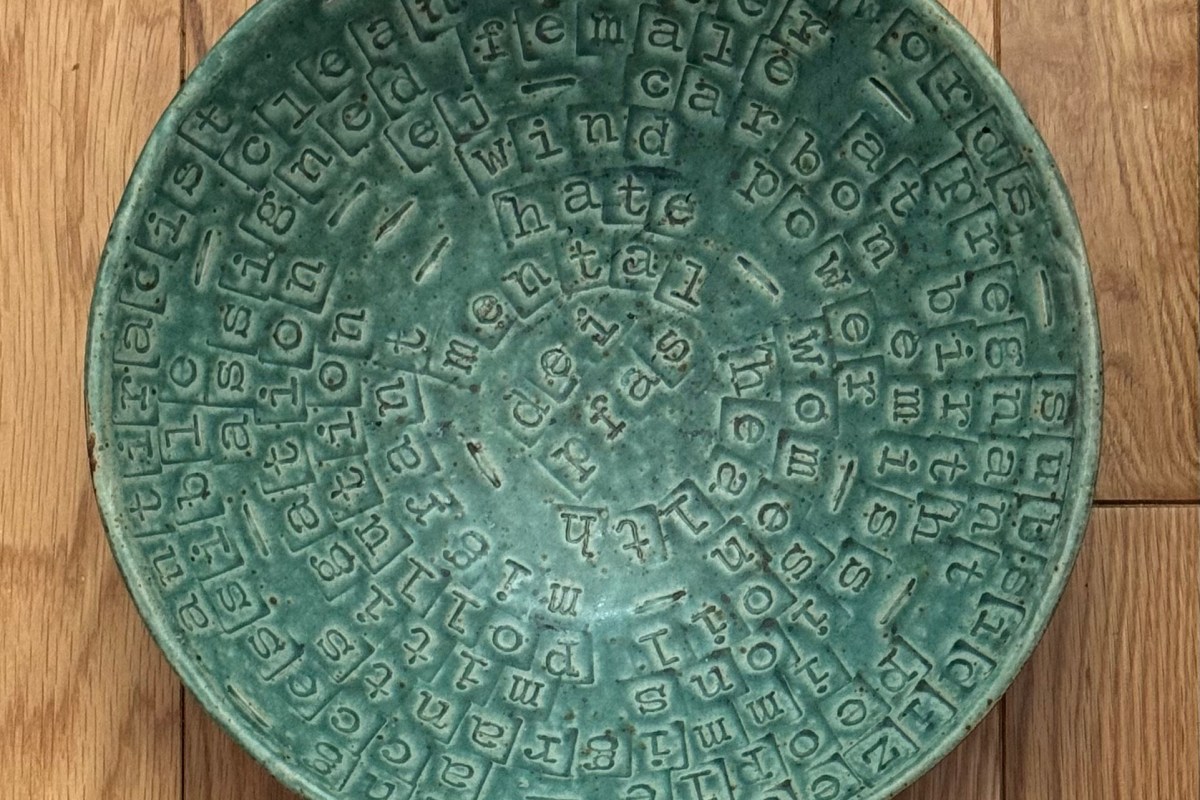
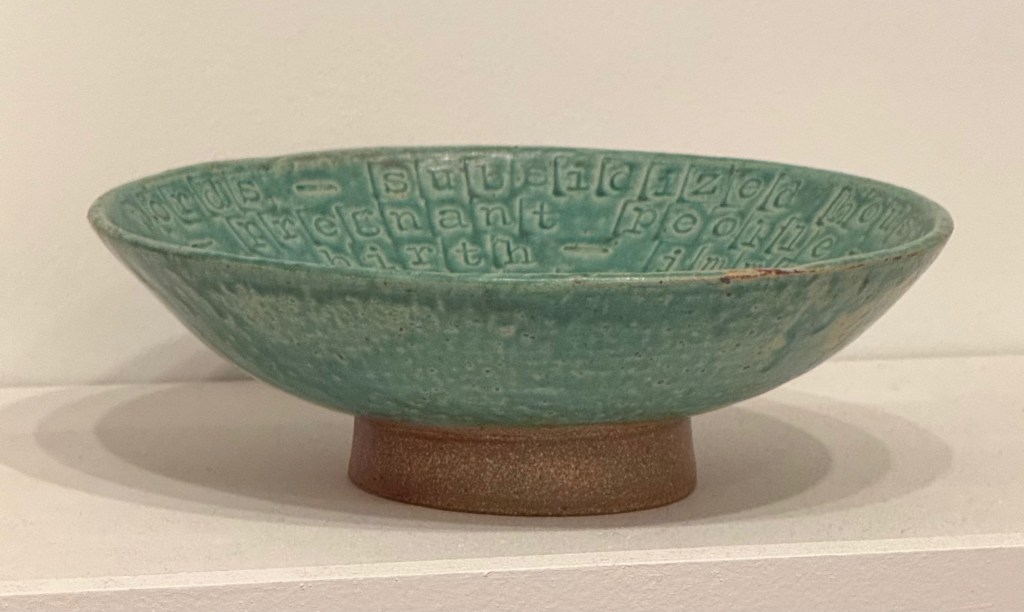
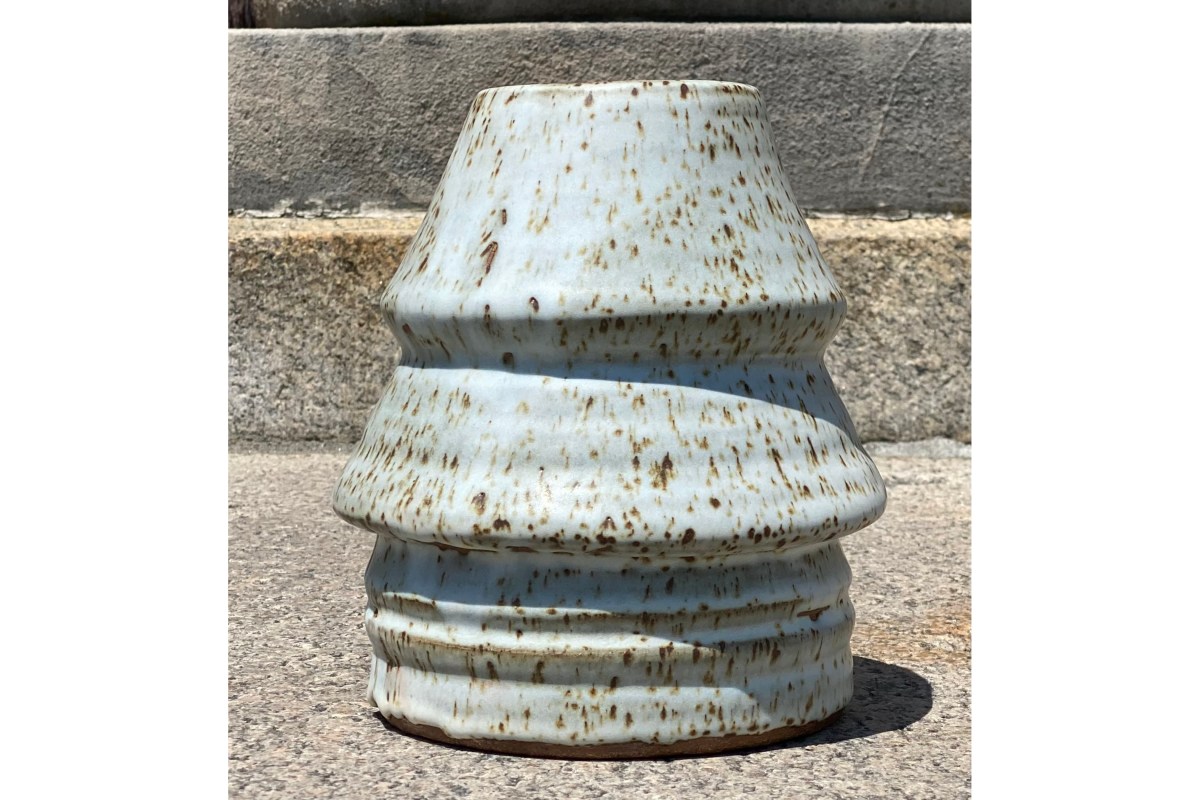
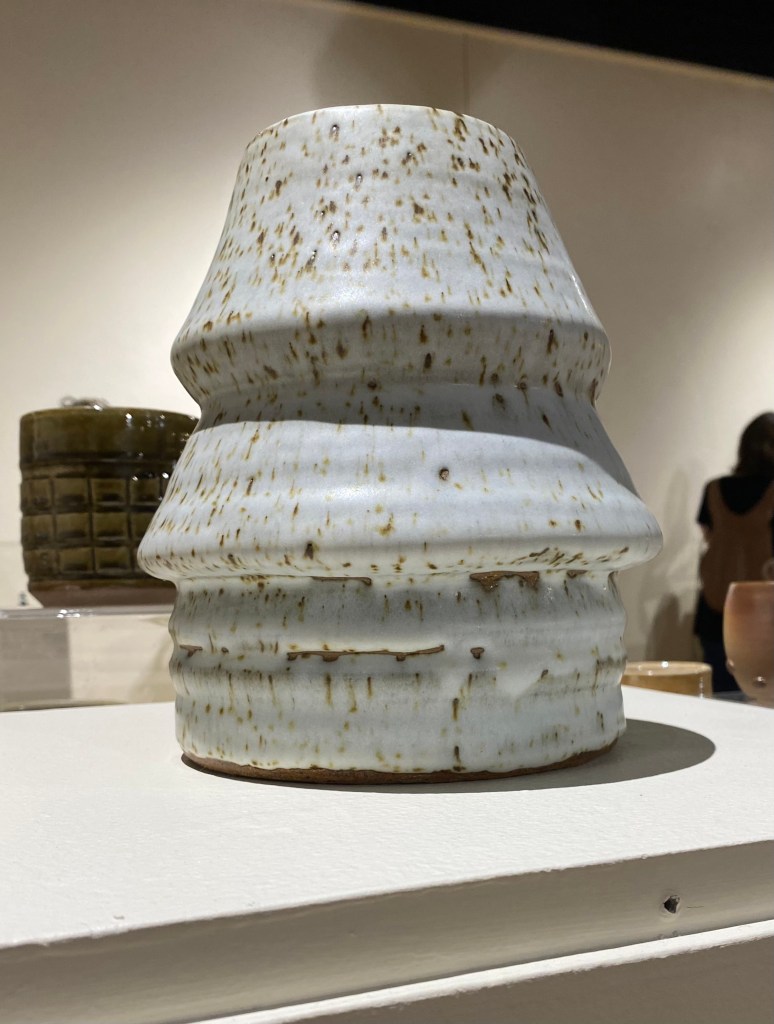
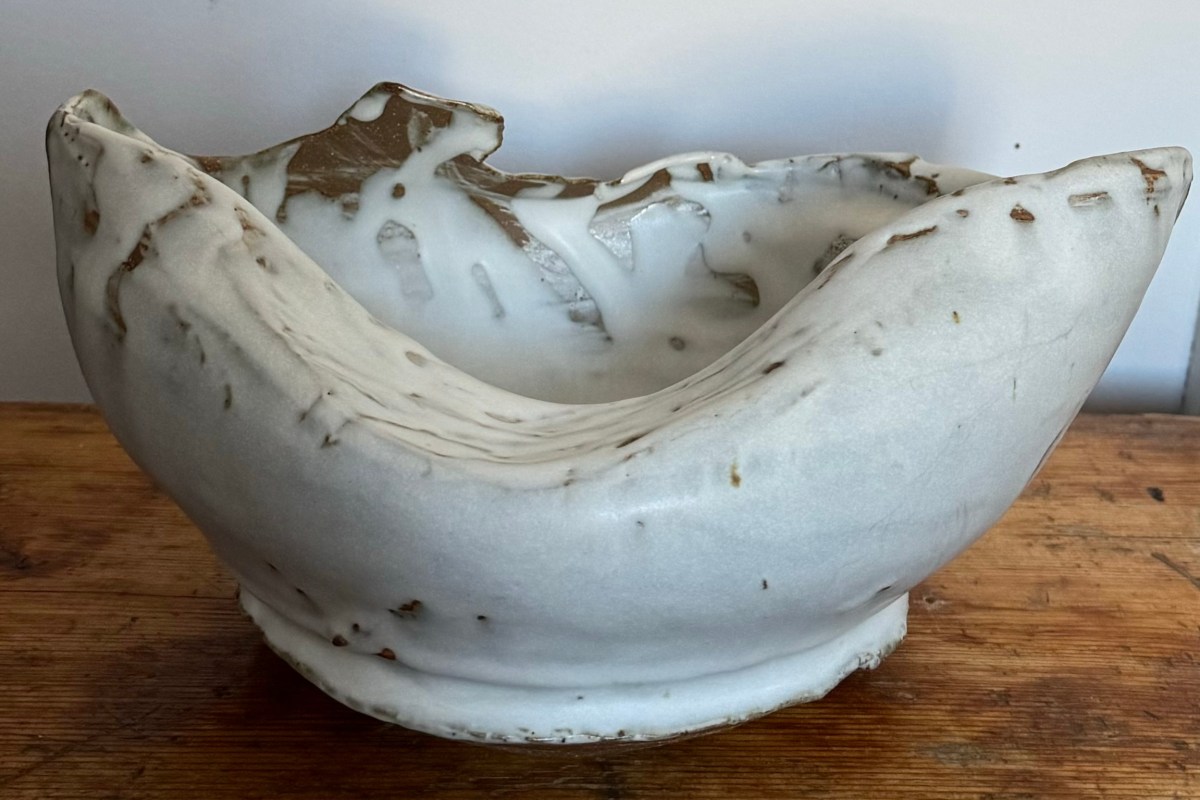
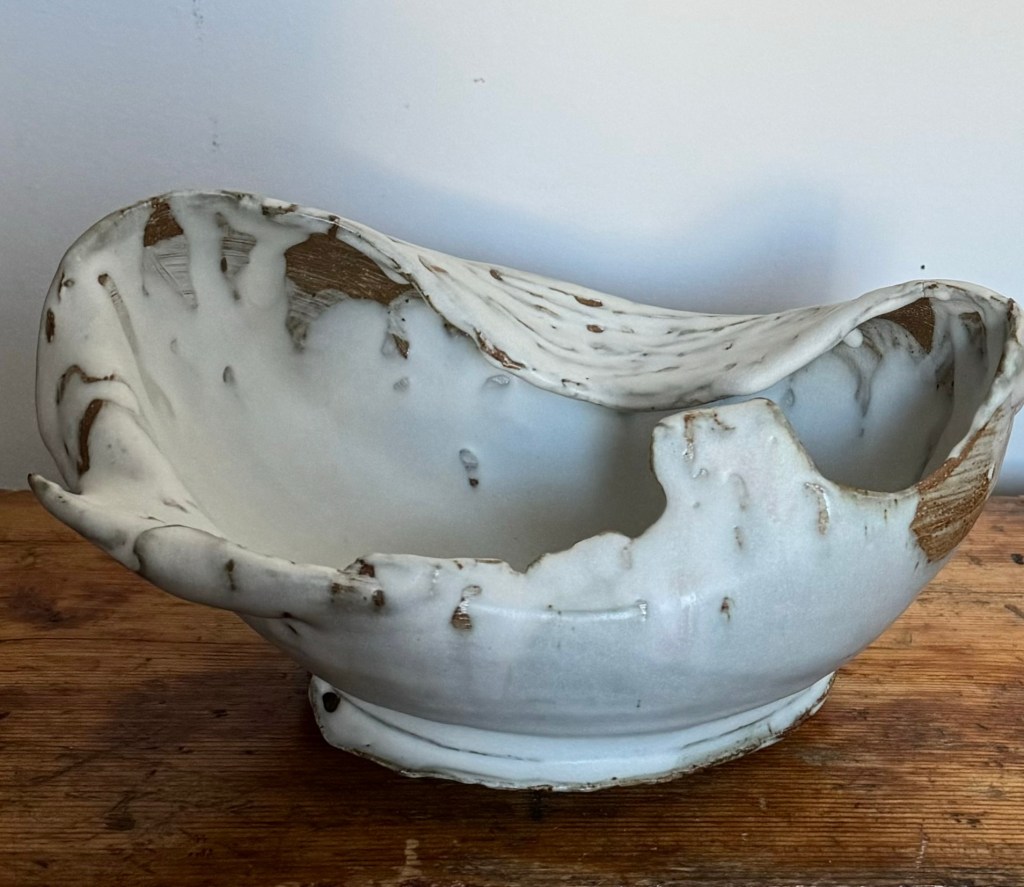
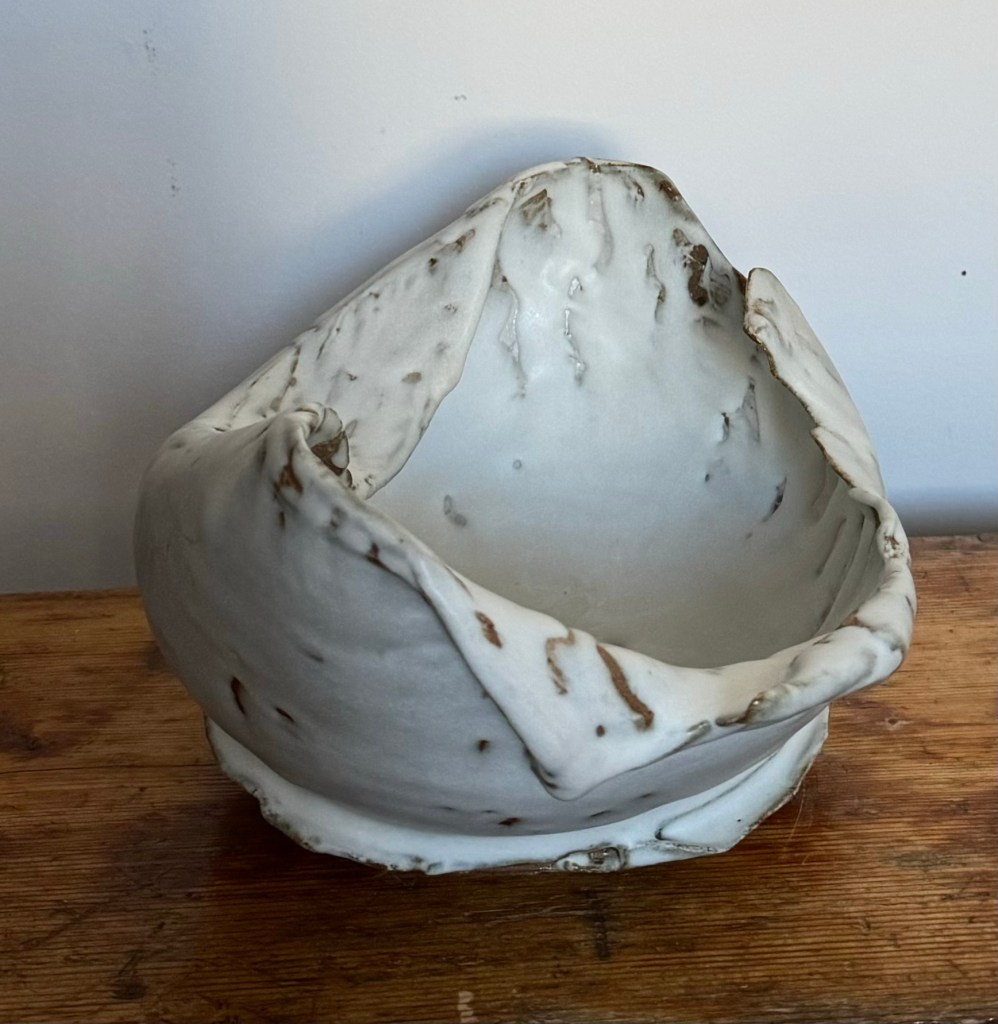
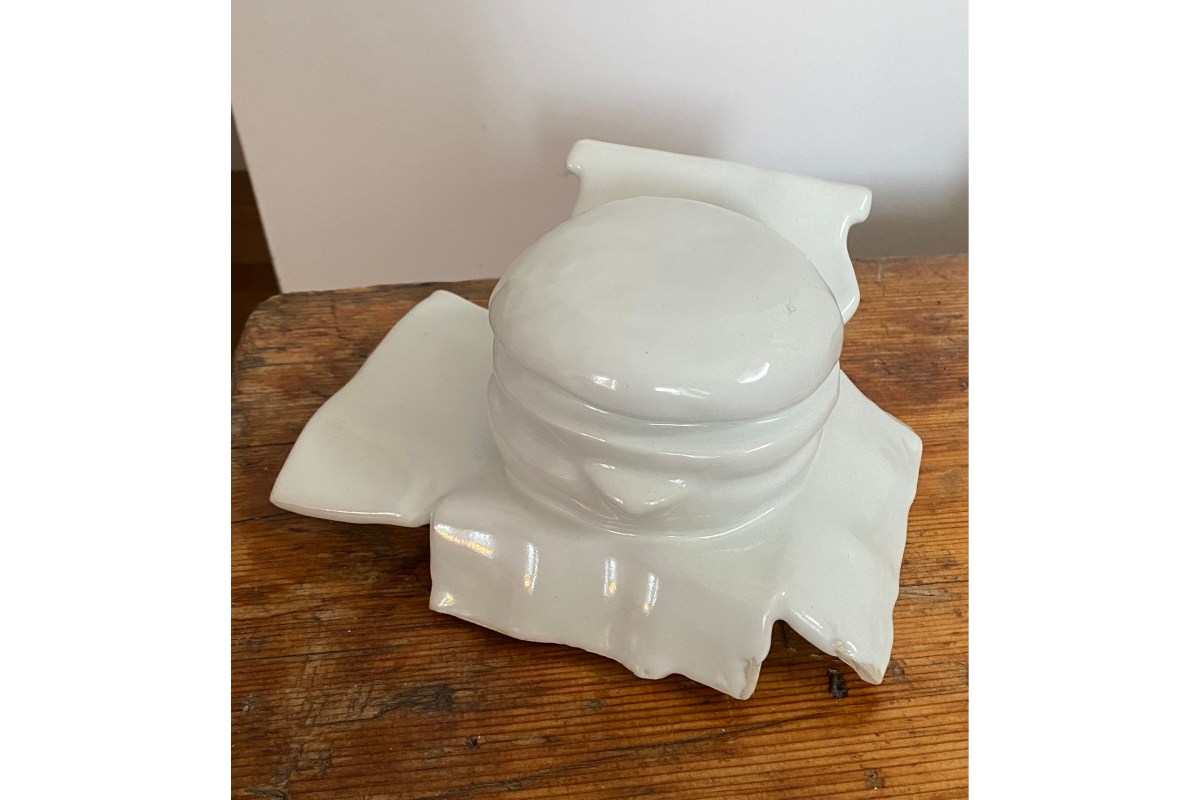
One of several bowls stamped with words and phrases banned in 2025 by the current regime. The list of words has been widely shared on the internet and include hundreds of common words like “women,” “clean energy,” “affordable housing,” “equity,” “tribal,” “hate speech,” and “racism.” Banning these words can lead to jeopardizing programs meant to assist certain groups. One example might be the study and possibly legislation involving of the high maternity death rate in the country, particularly affecting women of color.
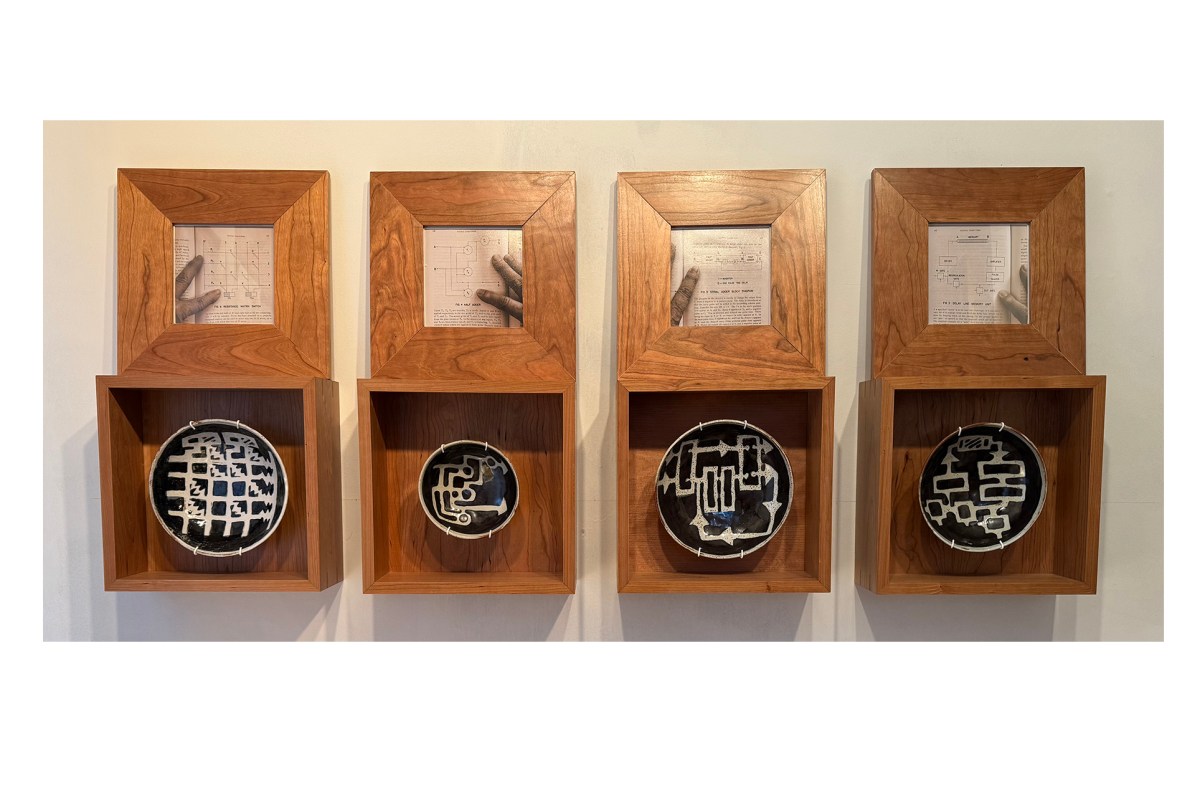
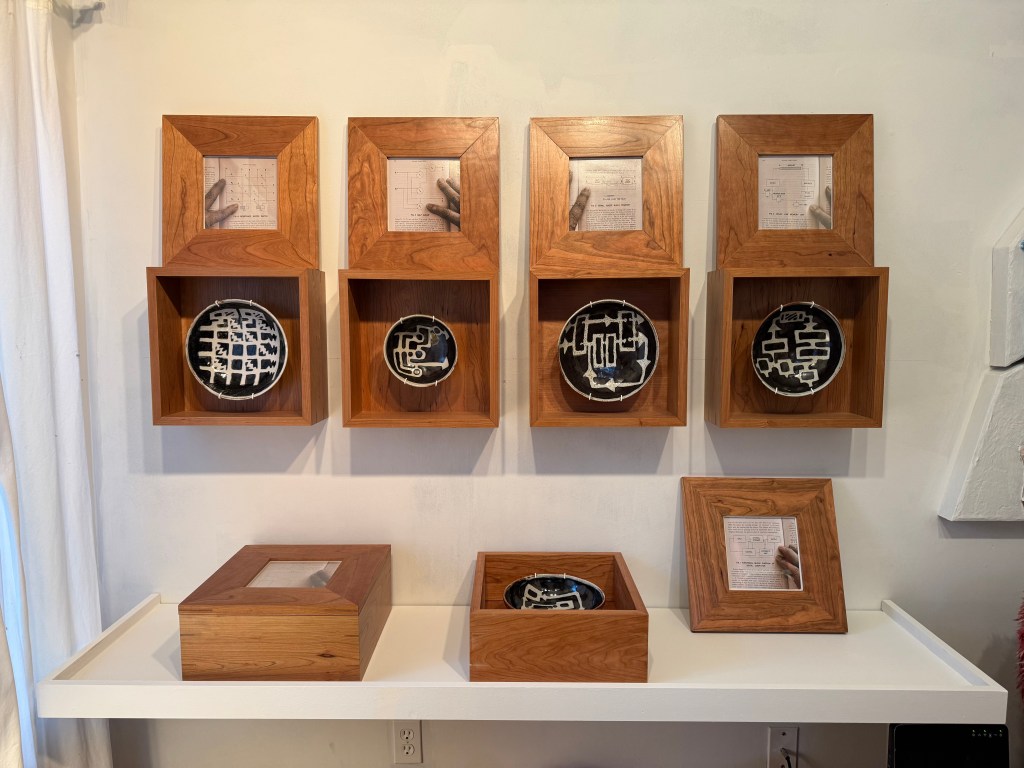
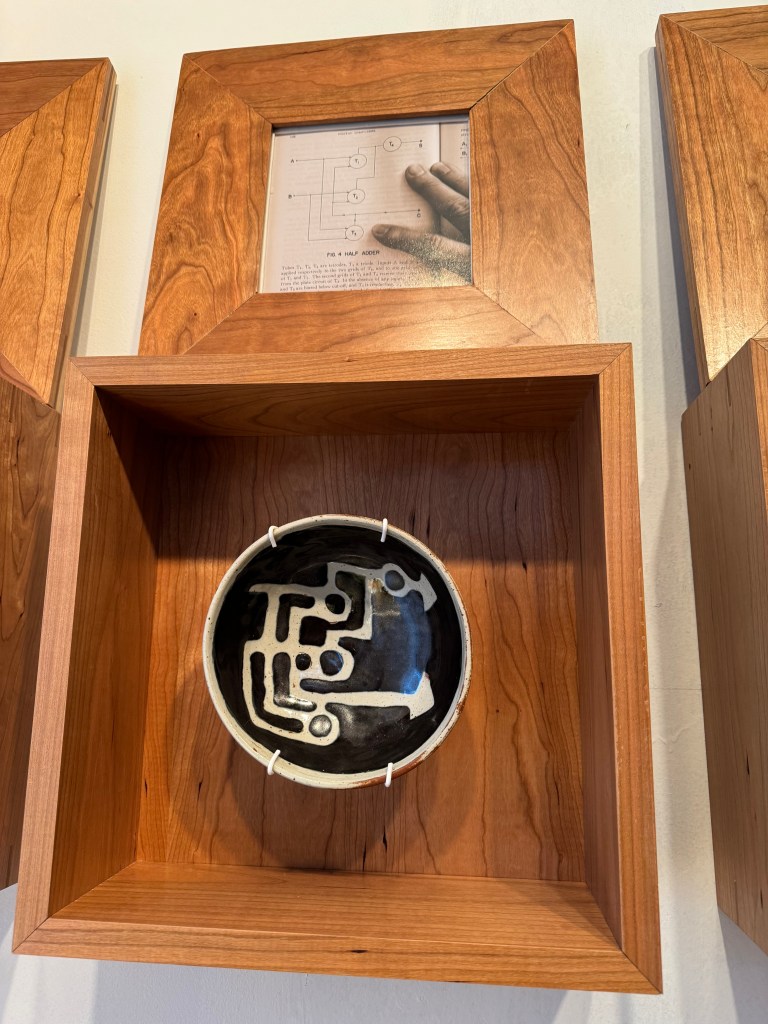
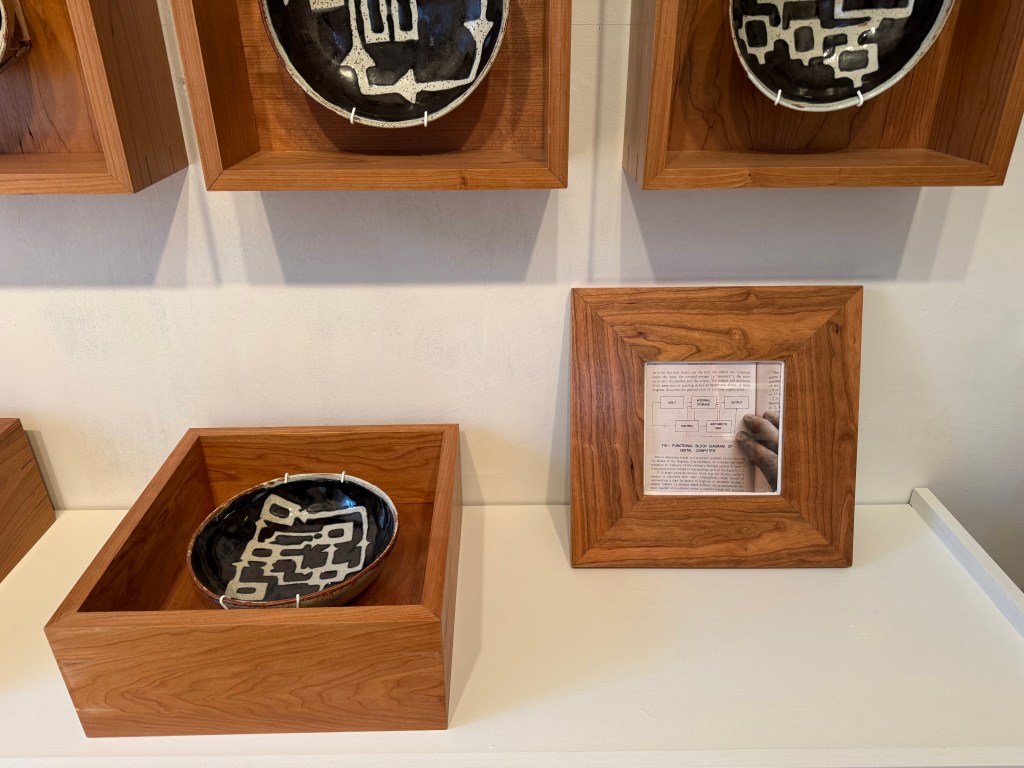
This piece was inspired when my family found an article co-written by my dad in 1949 called “Computers and Their Uses,” in the Journal of the American Society of Naval Engineers, Inc. Albert Eugene Smith worked on the development of computers early on, starting the first computer newsletter, heading one of three committees that developed COBOL, and being the Navy liaison for Project Whirlwind. I became interested in the graphic quality of the electrical drawings in the article and began experimenting with simplifying them so I could paint them onto stoneware bowls. This piece has become a way to commemorate this work in this field. Each of the six boxes contains a bowl that relates to one of six drawings. The drawings have been reproduced in frames to be displayed with the bowls. Each photograph becomes the top to the box, which can be used for storage when not on display.
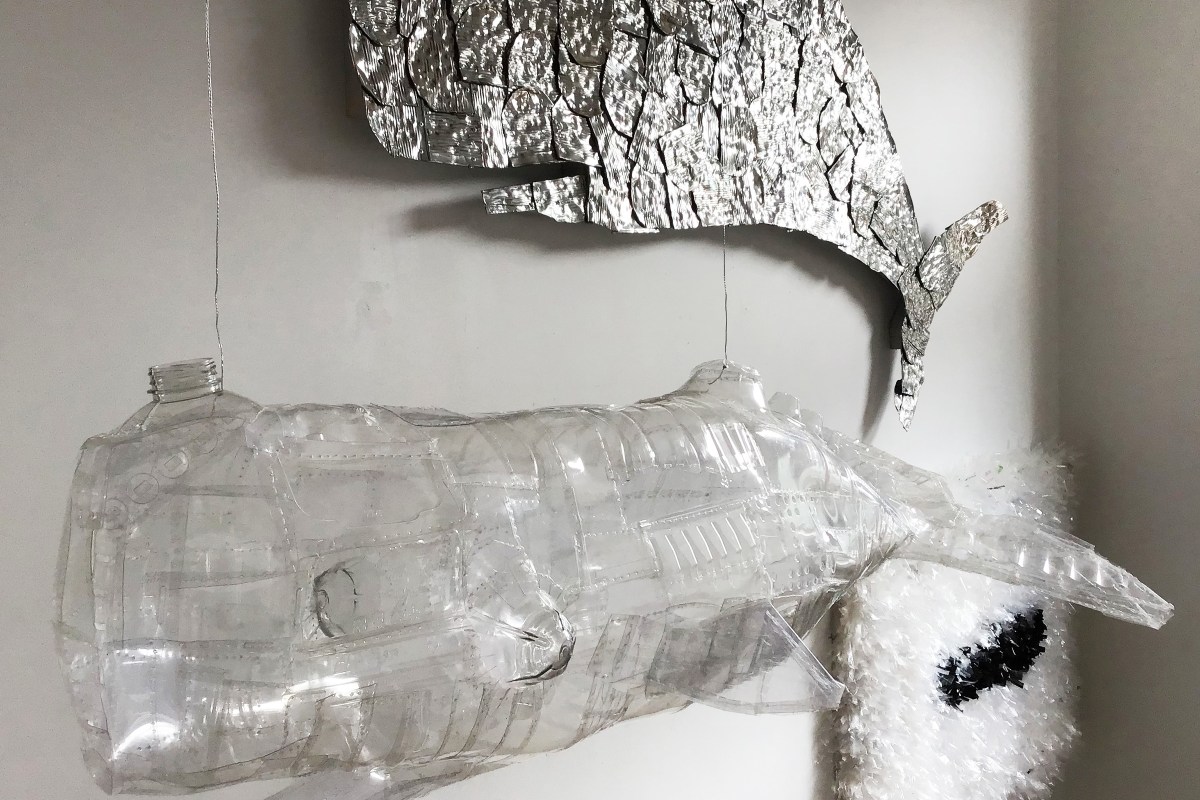
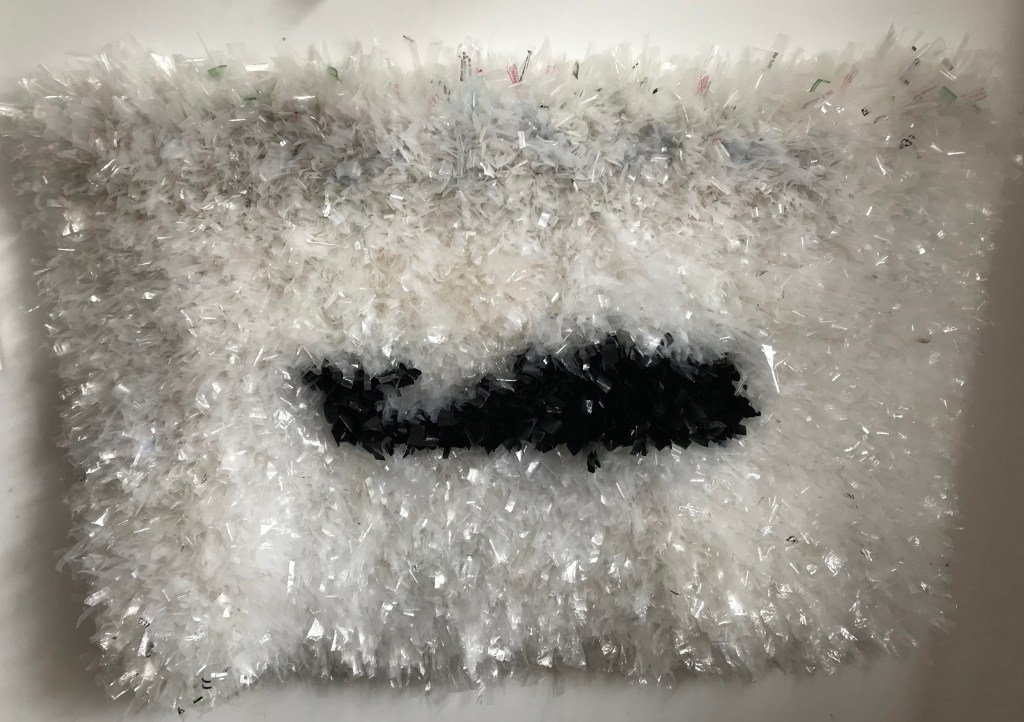
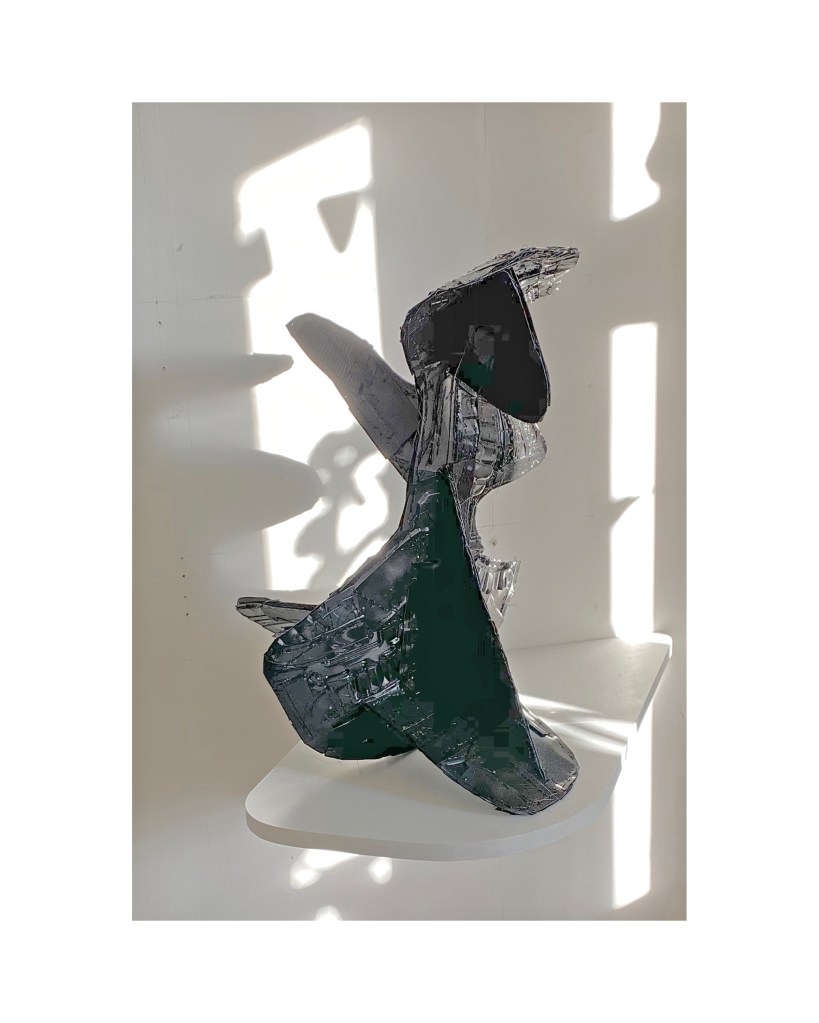
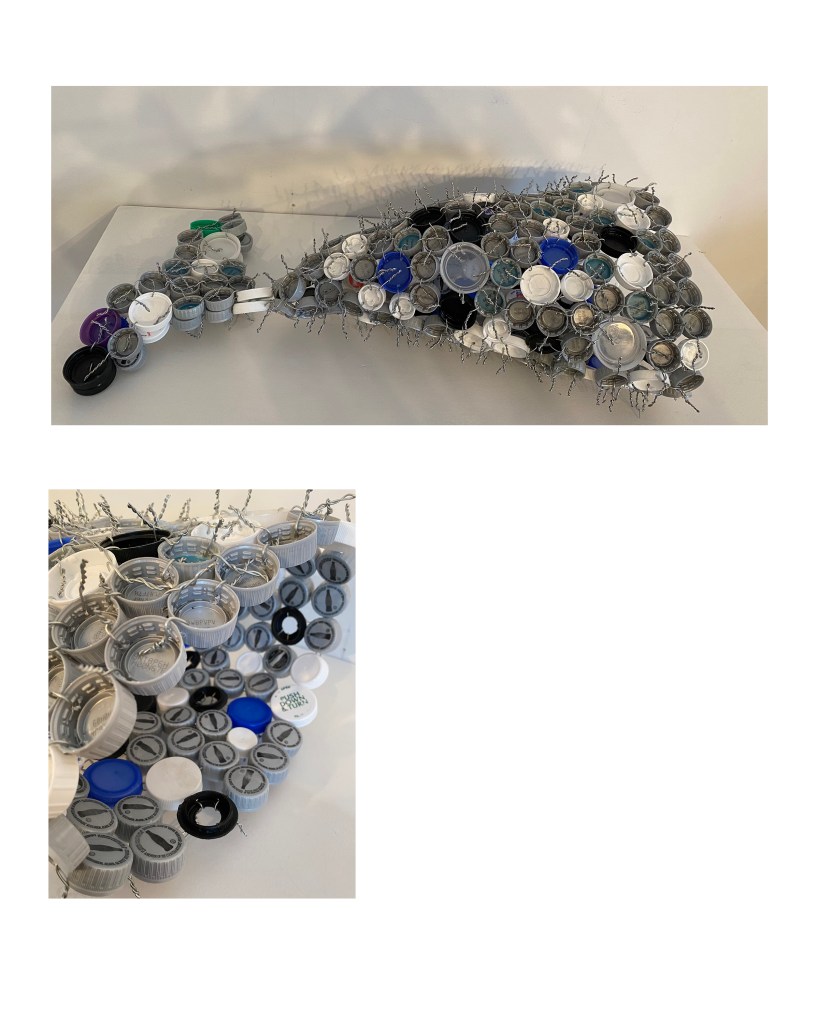
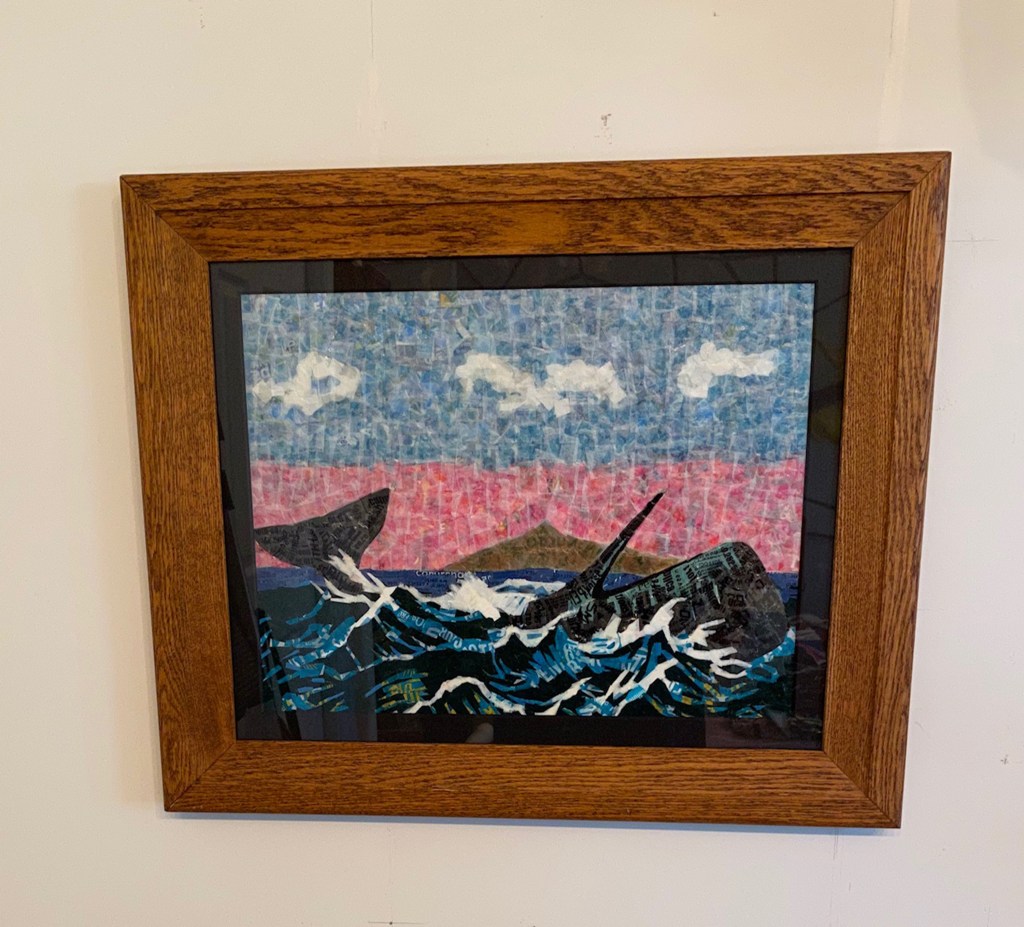
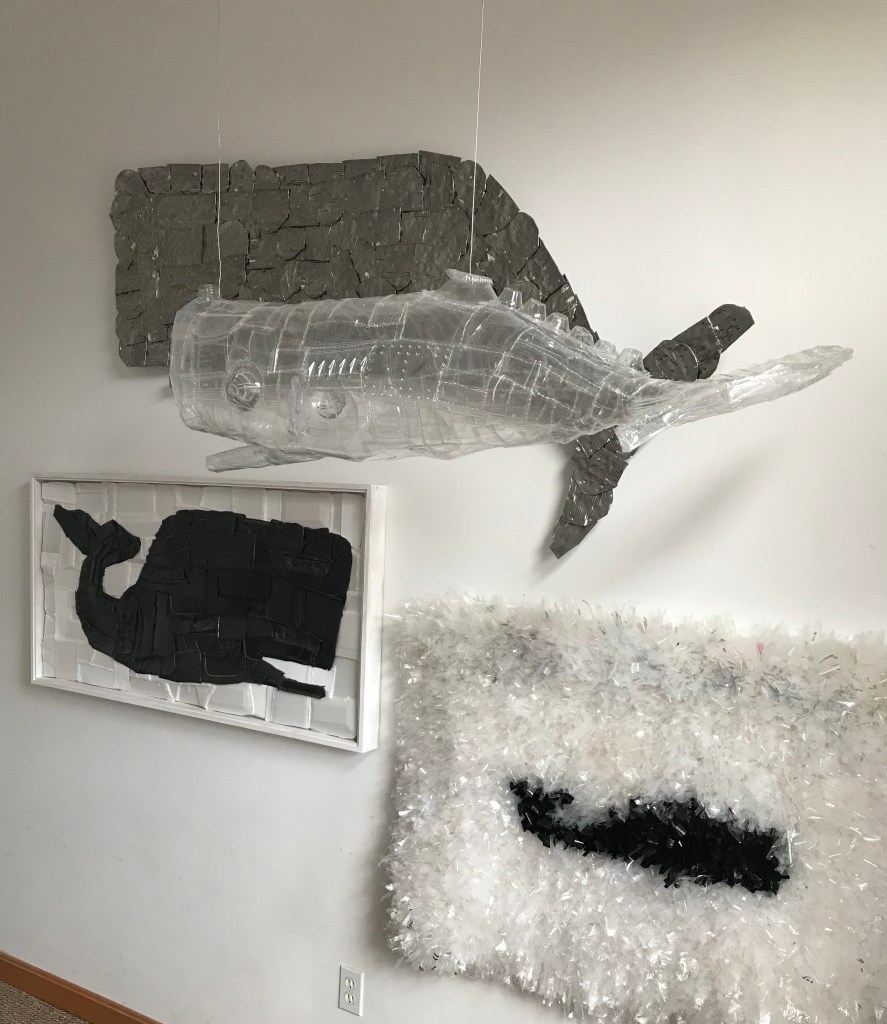
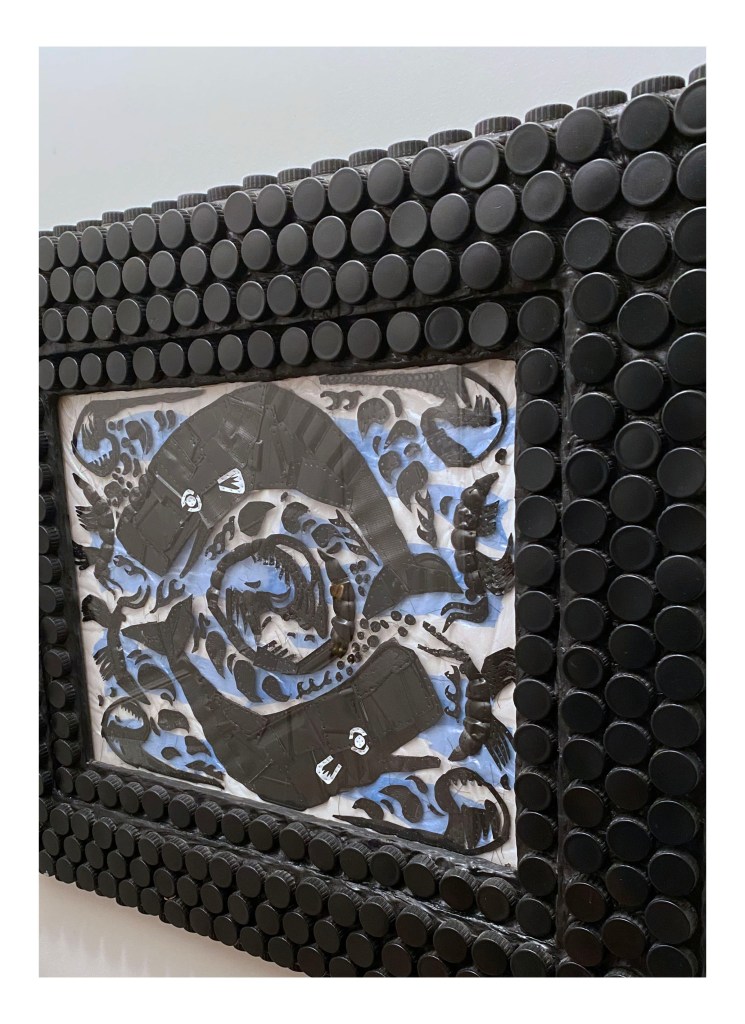
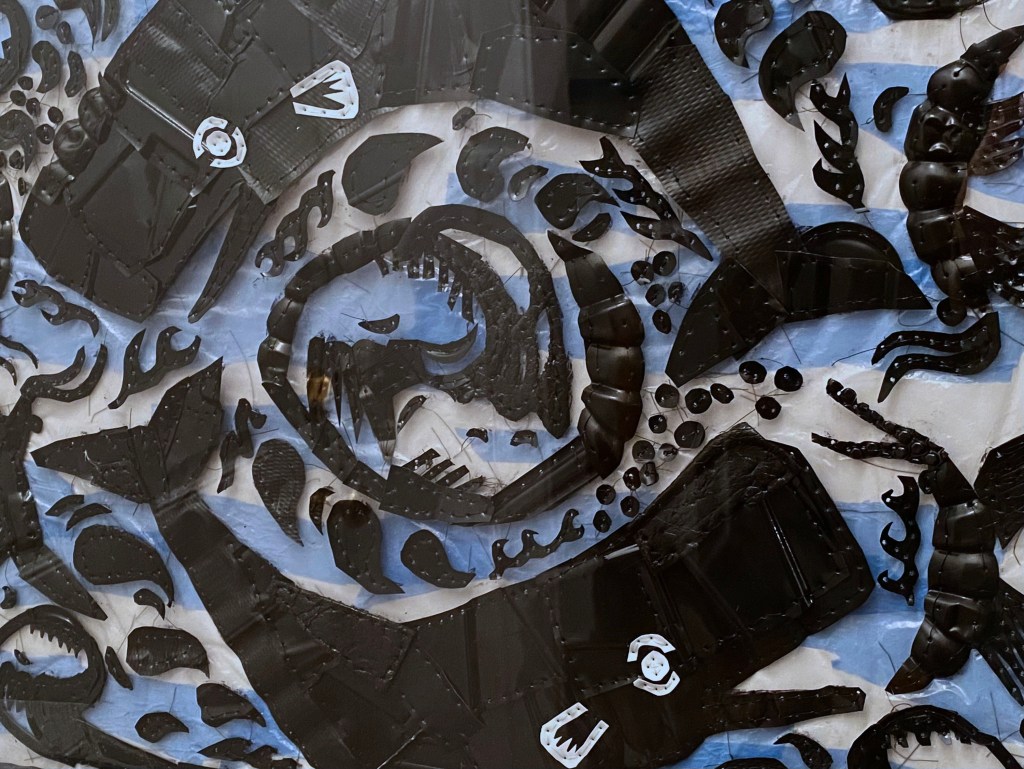
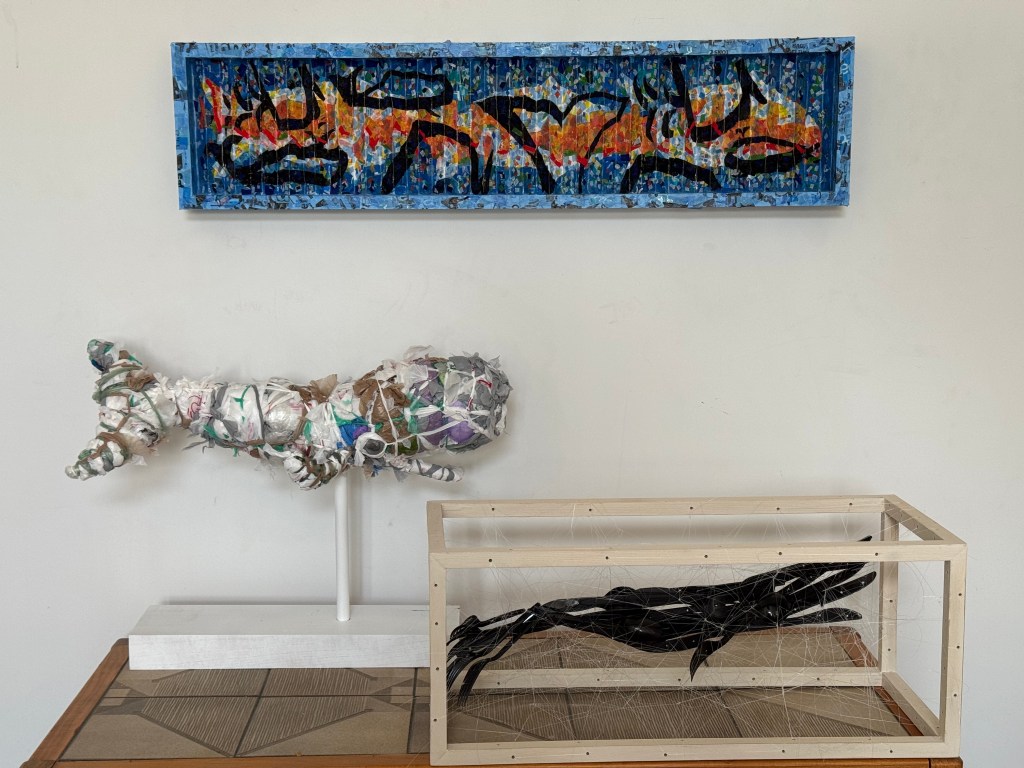
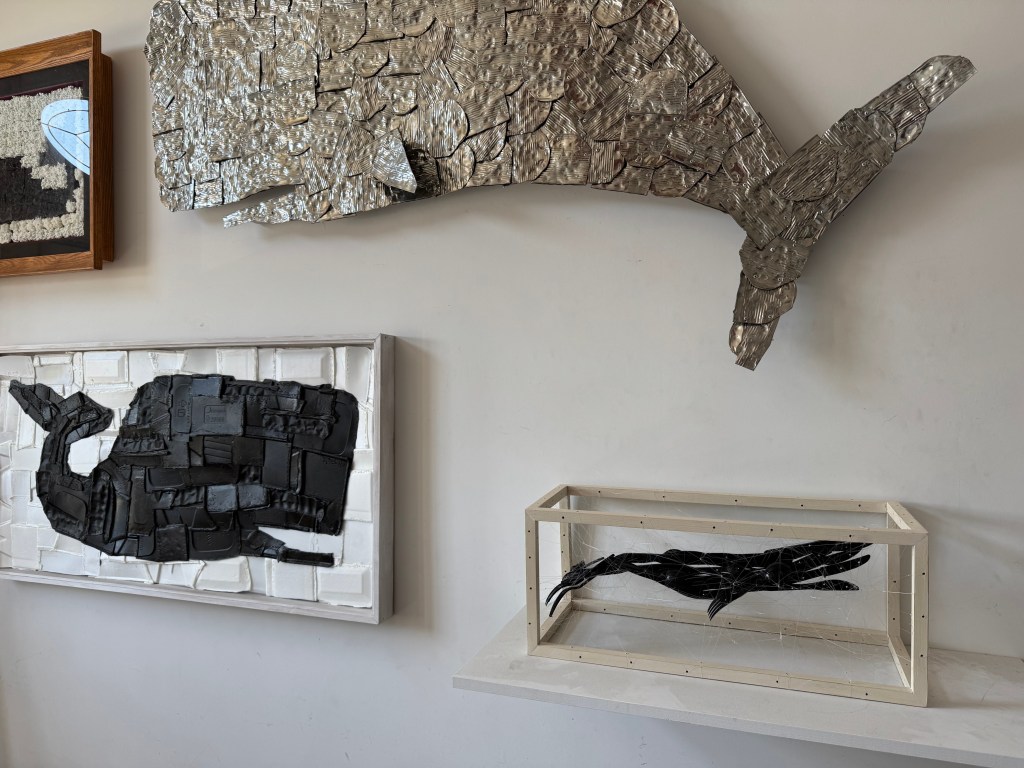
This project started in response to the now all-too-common sight of a dead whale washed up to shore with a belly full of plastic. As one of many who have been horrified by this sight, I decided to try to eliminate plastic from my life as well as save and make art out of that plastic which I could not avoid buying. After only a few days of collecting my refuse and carefully washing, drying and storing it, it became clear that this useless rubbish, when multiplied by millions of earth’s inhabitants, added up to a staggering amount of non-earth-friendly material. From the wrapping covering the cans of dog food I ordered online, to the maddeningly difficult-to-open containers for hardware items, to the pervasive use of plastic wrap for foods in the grocery store, it seemed impossible to avoid this ubiquitous material. Thanks to many online resources by like-minded individuals, I slowly found new ways of living without plastic. Eliminating coffee pods in favor of coffee poured through a stainless steel cone, sewing muslin bags to use at the grocery store, buying glass containers to store food in, and returning to using bar soap are some strategies we can all embrace. I am not perfect and still struggle to find new ways to change my old habits.
Objects that are not like everyday things, because they are associated with death, threaten order and our sense that we control our environment. Remains, such as hair and bone, are potent reminders of the frailty of life. Yet, in the 19th century, mourners sought closeness with the deceased by weaving their hair into jewelry and wreaths. Bringing both the sadness of a constant reminder of loss and the comfort of the memento, many hoped the presence of these relics of the human body would eventually overcome the pain of separation. As we reevaluate our position of dominance over the nonhuman world on cultural, political and personal levels, we examine our relationship with animal death.
Animals have been our partners for thousands of years. Many cultures have revered them in life and mourned them in death, as well as memorialized them through mummification, ritual burial, and the construction of monuments. Ancient Egyptians mourned and embalmed their cats and buried them in special cemeteries along with food for the afterlife. Members of cultures who relied on hunting for their survival honored their prey with rituals before the hunt and, after, with burials and monuments. For Hindus and Buddhists both animals and humans have a soul and an afterlife and are mourned equally. The Jindaiji Pet Cemetery in Japan provides shelves for grievers to place remembrances of their deceased pets. In the US, the earliest pet cemetery is Hartsdale in New York established in 1896, where over 80,000 pets are been lovingly buried and commemorated.
But what of the deaths of countless unnamed animals. Much is written about the lack of shared mourning practices in contemporary culture. What can be lost is a way of connecting the past with a more enlightened and hopeful future. For biologist Donna Haraway “killing sentient animals is killing someone, not something; knowing this is not the end but the beginning of serious accountability into worldly complexities” (p. 106, When Species Meet). If we acknowledge some of the harsher realities of our relationships with animal death, we can find ways to minimalize the negative impact we have on nonhuman life. Honoring and mourning creatures can be part of moving forward.
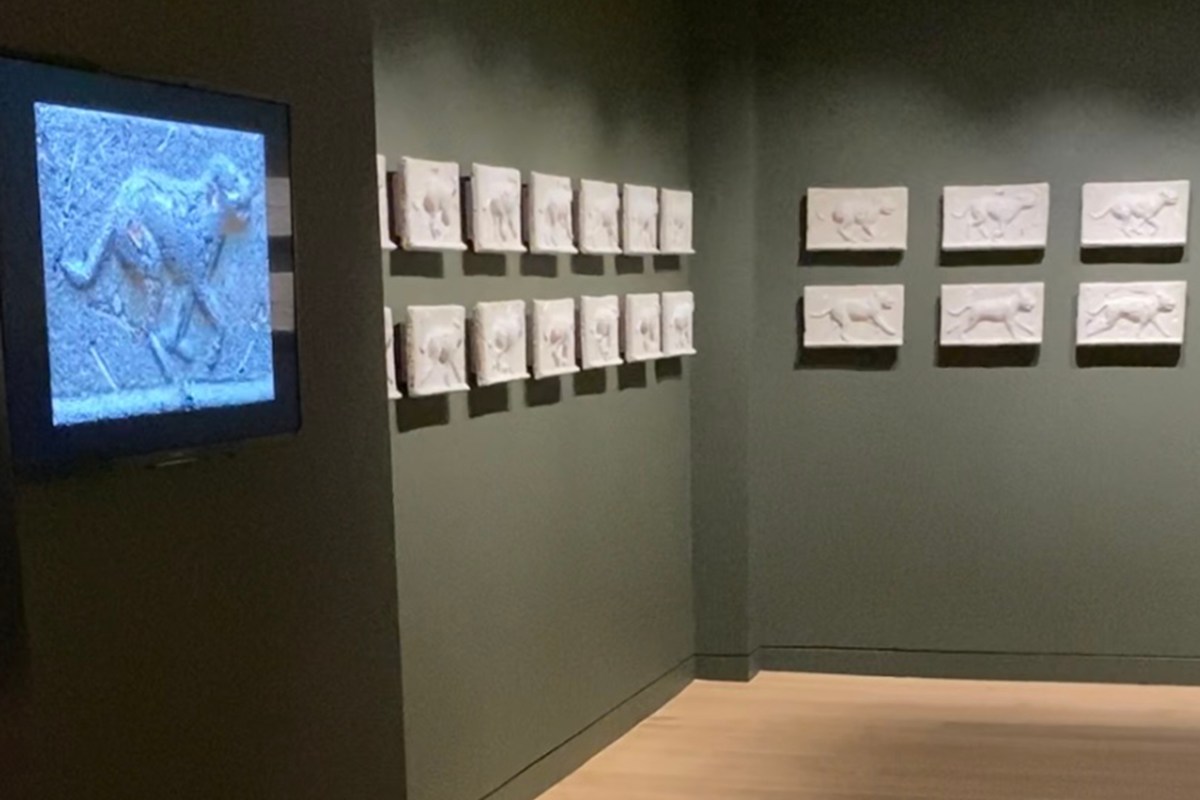
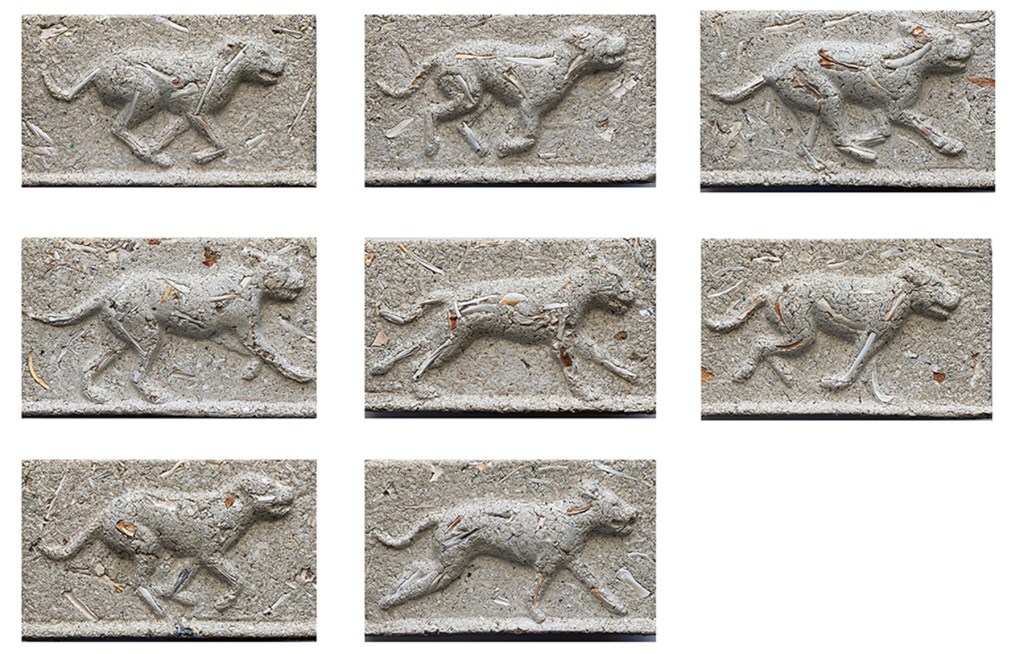
In 1887, Eadweard Muybridge, better known for his images of racehorses running at full speed, completed his series of Dread, an English mastiff, engaged in a typical lumbering run. By setting up cameras at regular intervals, he was able to capture the dog’s even gait. Dread Running: A Memorial to Lost Dogs is comprised of 48 reliefs using Muybridge’s eight images as an inspiration for the implied movement. Each piece is made from the remains of shelter animals. The ashes and bones–retrieved from the waste bin–have been mixed with a clear glaze and fired in a kiln to fix the shape. Like Victorian hair wreaths, the individual pieces are relics of lost lives. When combined they form a memorial to honor these animals—some old, some newly born, some unwanted and some lost but once loved ferociously.
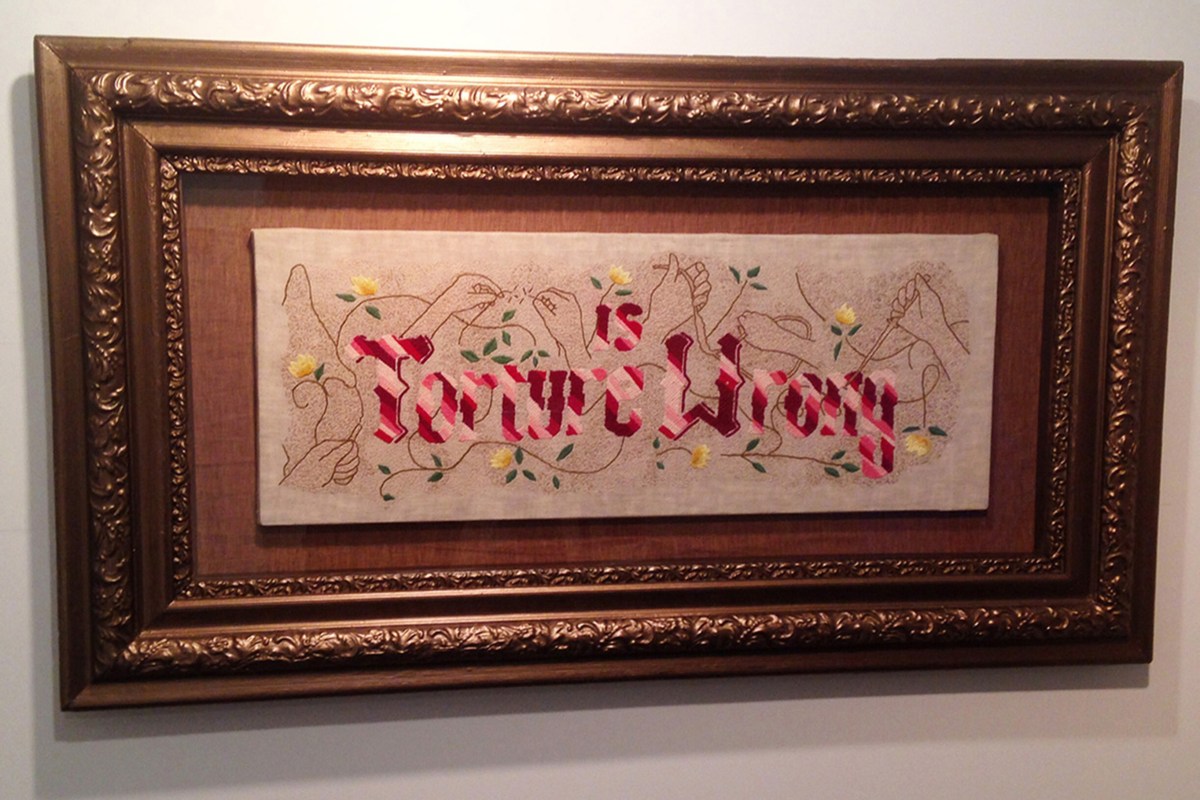
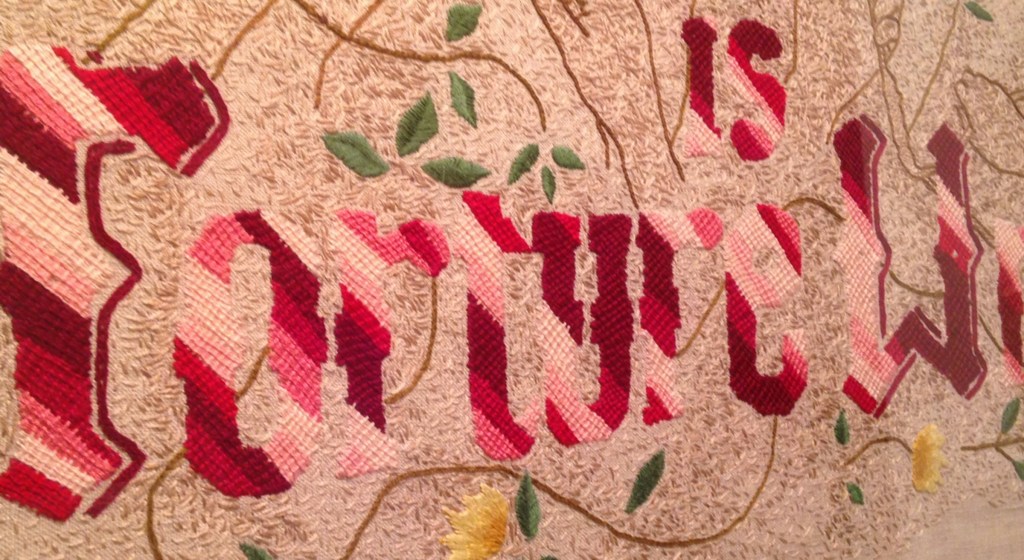
Completed in 2015, Torture is Wrong presents the viewer with a “universal truth,” assumed to be believed by everyone who lives in a free and democratic society. After the revelations of abuse at Abu Ghraib in the early 2000s, many Americans were confronted with an ugly truth. Some leaders and citizens had abandoned (and continue to abandon) a higher morality. The piece is made in the Victorian/Edwardian style of women’s needlework. Historical evidence exists of political statements made in this form in the embroideries of Janie Terrero and others who were imprisoned in Britain in 1912 for their acts as suffragettes. We are fortunate that we can speak out without suffering the indignities and cruelties meted out to those of our sisters who fought for our right to speak. Today, artists regularly honor women of the past by using embroidery and other fiber arts to make cultural, political and personal statements.



 Cate Smith Art